
HashFit is a sportswear brand taking the Web3 cultural layer beyond DeFi, proof that physical consumer brands can be built natively on-chain from day one.

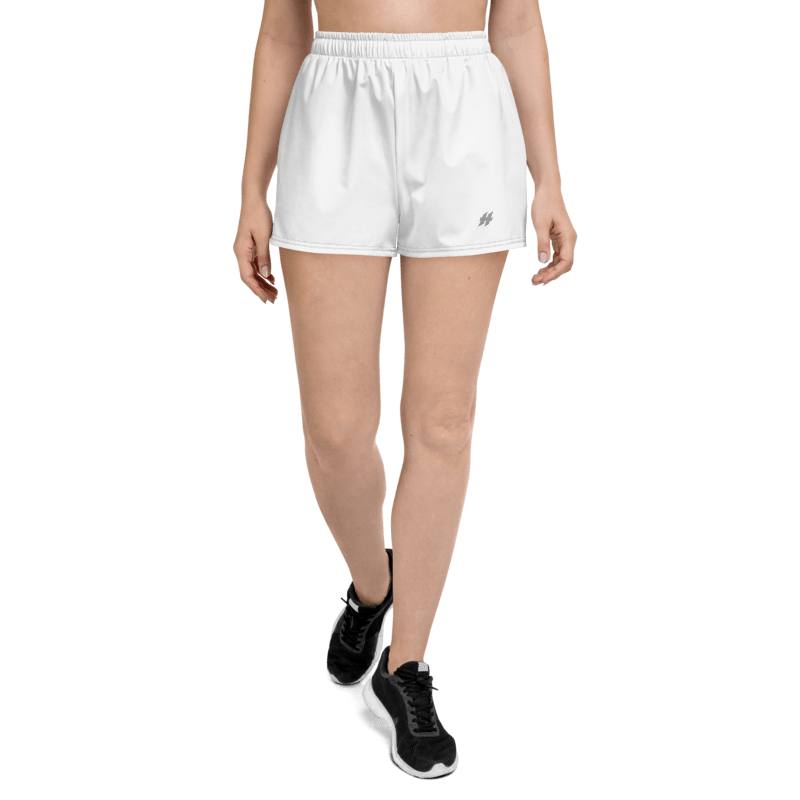
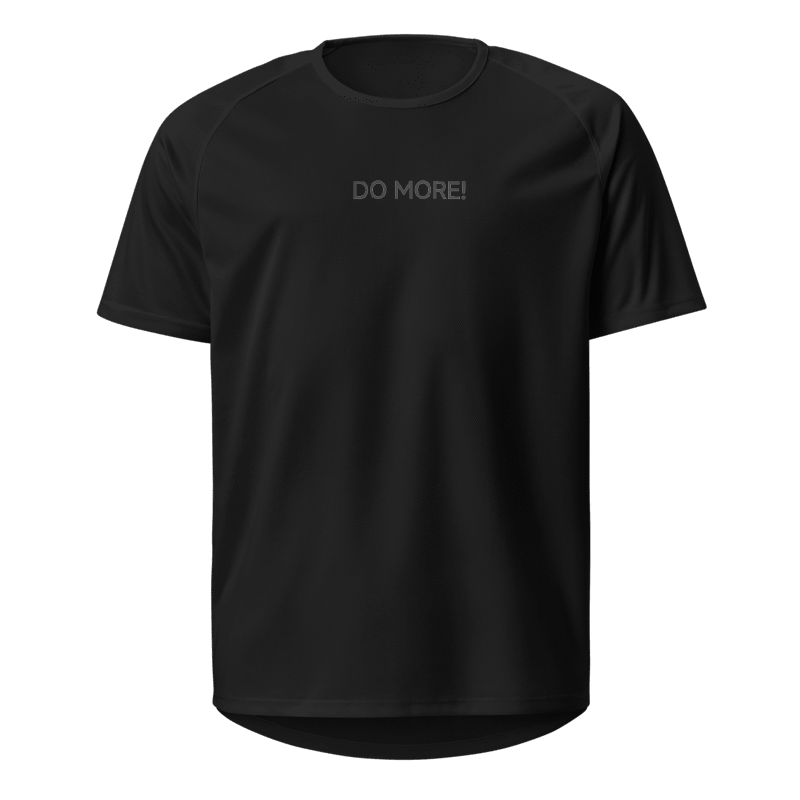
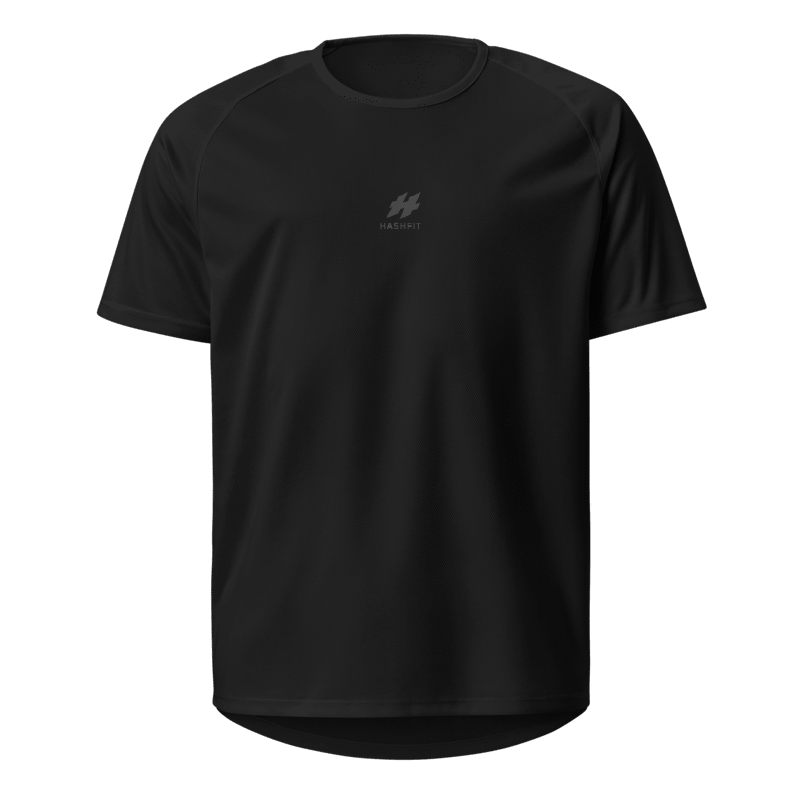
Culture has always had proof of presence. The early adopter. The day-one supporter. The person who was there before it was big. And the one who keeps showing up. Blockchain finally gives that proof somewhere to live.
HashFit is a sportswear brand, and one of the first physical consumer brands to put its entire loyalty architecture on-chain. Every purchase creates a permanent, non-transferable on-chain record. Not a digital collectible, not a reward point. A verified record of a real-world transaction that belongs to the person who made it. You bought in. You showed up. Now there is something that says so, permanently, in a place no one can edit. This is what Web3 actually makes possible. Not replacing physical goods with digital ones, but anchoring physical culture to a public ledger. The apparel is physical. The proof is permanent.Your loyalty to HashFit does not live in our database. It lives on-chain. No rebrand, no acquisition, no terms-of-service update can touch it. What you built here is yours. HashFit is proof that a physical brand can be built this way from day one. Not retrofitted. Not tokenized as an afterthought. Native to the chain, grounded in the real world.
HashFit is built around two drop markets (Gen + Exclusive), a progression-based Key mechanism, and generational scarcity baked into the system.
1. Shop like normal
2. Checkout and place an order
3. Receive the physical item
4. Receive an on-chain proof of support tied to your purchase
5. Use that proof (and Keys, if earned) to unlock access, discounts, and partner perks
If you’ve been buying from a brand since day one, copping every drop, showing up before it was cool, nobody can tell. Not verifiably. Your loyalty lives in your memory, maybe a folder of old receipts, and the story you tell people who may or may not believe you.
Meanwhile the brand is out sponsoring celebrities who’ve never worn the product in their life.
This is the fundamental broken promise of consumer culture: the people who matter most to a brand the early believers, the consistent buyers, the ones who were there before the hype are invisible. There’s no infrastructure that sees them, rewards them, or gives them anything worth holding onto.
Web3 had a chance to fix this. It didn’t.
Instead, blockchain innovation concentrated almost entirely around financial systems like yield protocols, liquidity mechanisms, and trading infrastructure products built for people with the technical and financial literacy to navigate them. The cultural and commercial layer was left underdeveloped.
And when Web3 brands did try to touch apparel, they got it backwards. Clothing became a marketing accessory: merchandise attached to a token launch, a hoodie dropped to reward short-term holders, a t-shirt that exists to promote the real product. The apparel was never the point.
Nobody built a brand where the clothing is the product, the blockchain is the infrastructure, and the customer is the one who gets rewarded for showing up.
HashFit makes the clothing the product and uses blockchain as the infrastructure behind it.
You buy physical sportswear, it ships to you, and every purchase mints a permanent, non-transferable proof of support on-chain. That’s the core loop, everything else is built on top of it.
HashFit is on-chain because for the first time, a customer can prove they were here first, not just claim it.
Before this, loyalty was always a story you told. The sneakerhead who's been buying since day one, the supporter who copped every drop, the fan who rode with the brand before it meant anything. Their history lived in their own memory. Unverifiable and easy to dismiss. Now it lives on a public ledger. Timestamped. Permanent. Unchallengeable.
You can tell someone you've got 50 pieces from this brand and your wallet says it. No screenshots. No receipts dug out of old emails. No one telling you to stop the cap.
Right now every brand-to-customer relationship lives in a silo. Shopify's database. A loyalty app. A CRM. None of it talks to each other. When HashFit's purchase records are on a public ledger, any third party can read them and act on them commercially. A supplement brand can gate a discount to verified multi-gen HashFit holders without contacting us, because they know that audience is active and the purchase history that qualifies them is already public. Verified consumer loyalty becomes the basis for real economic activity between businesses that have never had a direct relationship.
Furthermore, core HashFit infrastructure depends on this foundation to function at all. The Key mechanism, crafting and redemption rules aren't just stored on-chain for transparency, they require it. Without blockchain, Keys are just coupons a brand can mint, revoke, or manipulate at will. On-chain, the rules governing how Keys are earned, combined, and redeemed are immutable. Nobody, including HashFit, can change the game after you've already played by it.
That's why we're on-chain. Not for the payments. For the proof.
HashFit operates with two parallel drop types, each with a distinct role.
Gen drops are designed for accessibility and scale.
How it works:
Users buy physical clothing
Each purchase mints a **non-transferable ownership SBT**
User gets their physical item
What the SBT represents:
Tracks support status across generations
Proof of ownership
Makes up user virtual wardrobe
Can be used to identify and reward top supporters and OGs in the future
Design Philosophy:
Standard colorways
Clean, wearable designs
Community-wide availability
Normal drops live in their own dedicated market tab
Exclusive drops represent earned access. For every generation (e.g. Gen 1), there exists a parallel Exclusive Drop.
Characteristics:
Limited supply
Higher price point
Visibly unique features
Rare colorways
Subtle exclusive markings (inner labels, stitched text, etc.)
Designed to feel *earned*, not just bought
Access options:
Direct payment
OR redemption using a Mythic Key
Exclusive drops live in a separate market tab, reinforcing intent and scarcity.
Keys are ecosystem artifacts that powers progression and unlock exclusive perks for holders. Each generation comes with a predetermined set of Keys decided internally before the drop launches. The exact count and type is fixed in advance and does not change. Keys are earned, not sold.
There are three different categories of keys
Mythic
Legendary
Epic
When a new generation drops, a one-hour early purchase window opens. Every address that buys within that window is automatically entered into that generation's raffle. When the window closes, the raffle runs and Keys are distributed among eligible addresses.
That's the only drop-related Key distribution for that generation. No second chances. No extended windows. When it's done, it's done until the next generation launches and that would come with its own predetermined set of keys. Giveaways may occasionally distribute bonus Keys including Mythics. Ecosystem tasks remain open for Legendary and Epic Key earnings. But there are no further drop-related distributions until the next generation.
The window model was a deliberate choice over a first-X-buyers approach. A purchase count threshold rewards speed and creates a race; one that bots and technically advantaged users win disproportionately. A time window treats every address that showed up during the launch moment equally. Whether you bought in the first minute or the last, your commitment to the drop is what qualifies you. Not your connection speed.
10 Legendary Keys combine into 1 Mythic Key. This exists so that consistent participants who keep showing up across tasks and generations have a path to Mythic access even if the raffle didn't land in their favor
Exclusive drops can be gated by holding conditions; for example, owning items from three distinct generations, or holding from a specific generation. These gates exist to reward generational purchasing consistency.
A Mythic Key bypasses all of it. No holding requirements. No qualification checks. Full unconditional access to any exclusive drop, redeemable one-to-one for any item within it.
Two paths lead into every exclusive drop. One through sustained purchasing history. One through a Mythic Key. Both are expressions of the same thing; you were here, you stayed, and the brand recognizes it.
Can be redeemed for any item in an exclusive drop 1:1
Can be redeemed for IRL perks such as partnered gym passes
Enable progression without financial speculation
Can be combined to craft a mythic key
10 Legendary Keys → 1 Mythic Key
Epic keys by design are meant to be used as minor discount coupons across both categories of drops.
Smart contracts written, tested, and verified on Base Sepolia testnet.
Frontend fully integrated with live contract interaction.
Project documentation complete, including pitch deck, and brand writeup.
Currently bootstrapped. Founder-funded through prototypes and testnet deployment stage. Actively seeking pre-seed investment to support product development, initial inventory, and go-to-market.