
Orbit AI
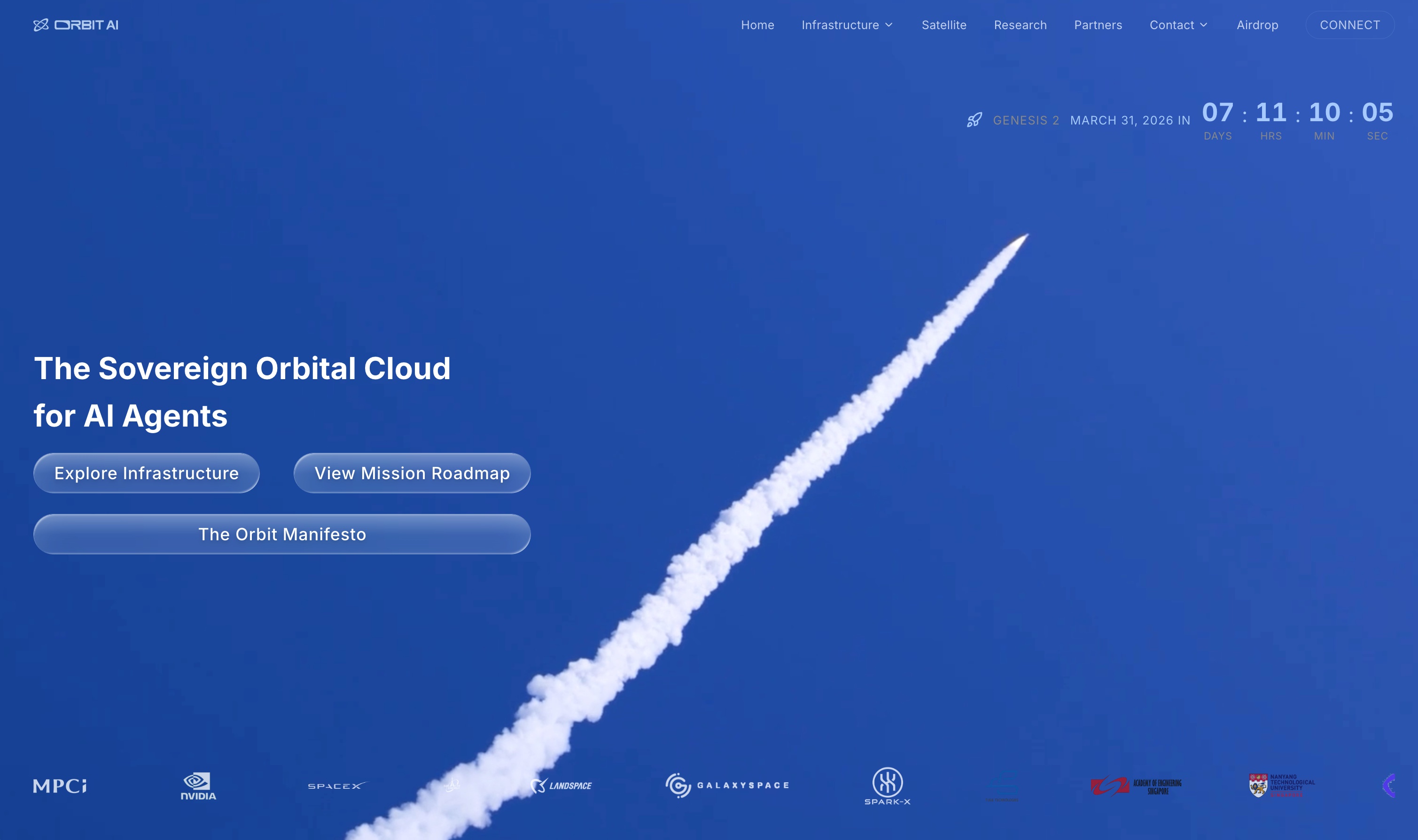
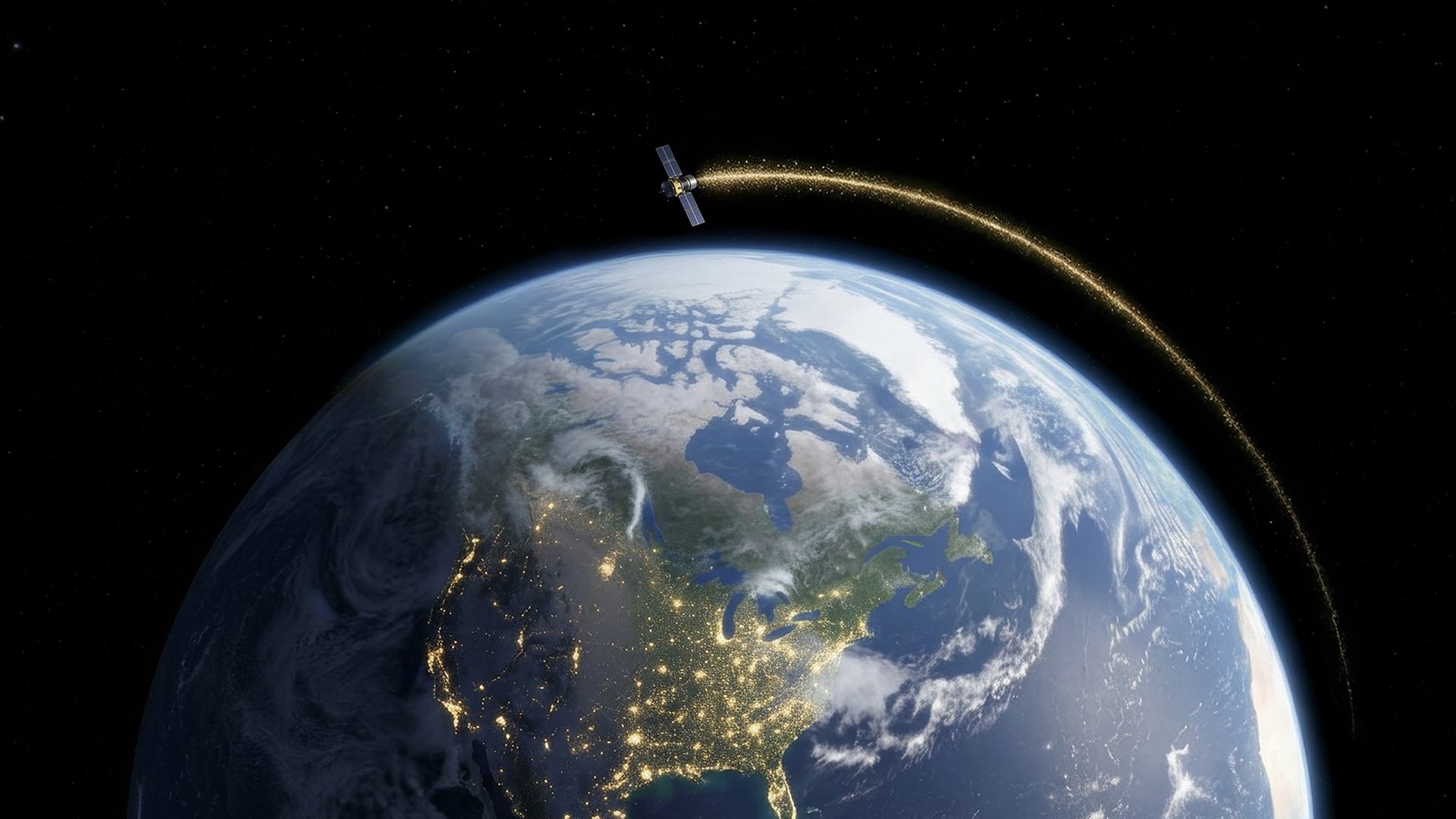
Orbit AI is a decentralized orbital AI cloud for agents, powered by satellites and in-orbit AI inference.
Video
Công nghệ sử dụng
Sự miêu tả
Orbit AI is building a decentralized orbital AI cloud infrastructure for AI agents. The project aims to create a new computing and execution layer beyond traditional terrestrial cloud platforms by combining satellites, in-orbit compute, AI inference, orbital data, and resilient blockchain infrastructure. In the long run, Orbit AI is designed to support the next generation of AI agents, autonomous systems, and high-value workloads that require stronger resilience, physical isolation, and reduced dependence on conventional cloud bottlenecks.
Our core thesis is that the future expansion of AI and autonomous systems will not only be constrained by model capabilities, but also by the infrastructure layer that supports them. Today, many so-called decentralized AI agents and Web3 applications still rely heavily on centralized terrestrial cloud providers, jurisdiction-bound data centers, and fragile network infrastructure. Orbit AI addresses this problem by building satellite-based infrastructure with in-orbit AI capabilities, creating a more resilient, censorship-resistant, and sovereign foundation for computation and intelligent execution.
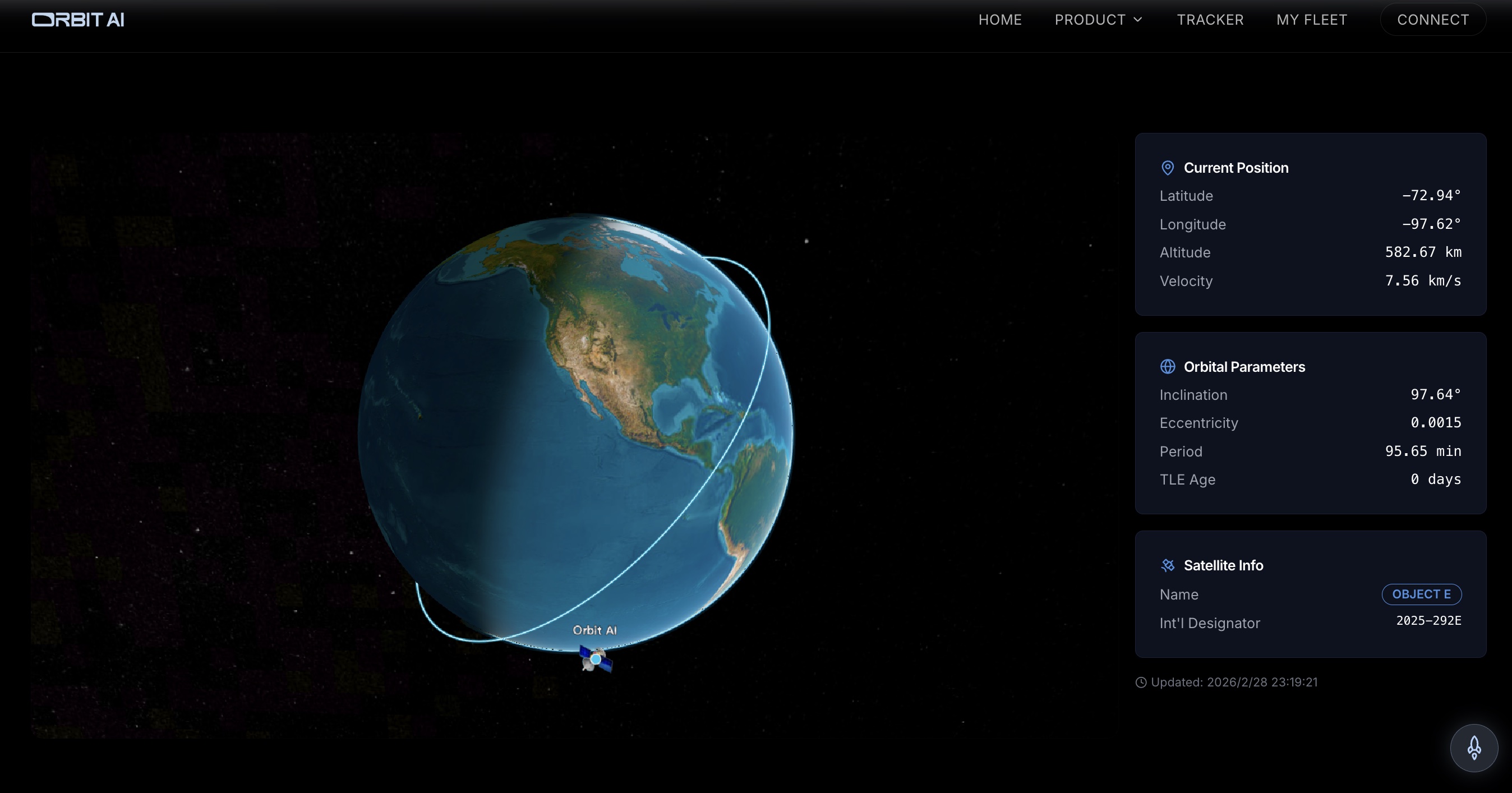
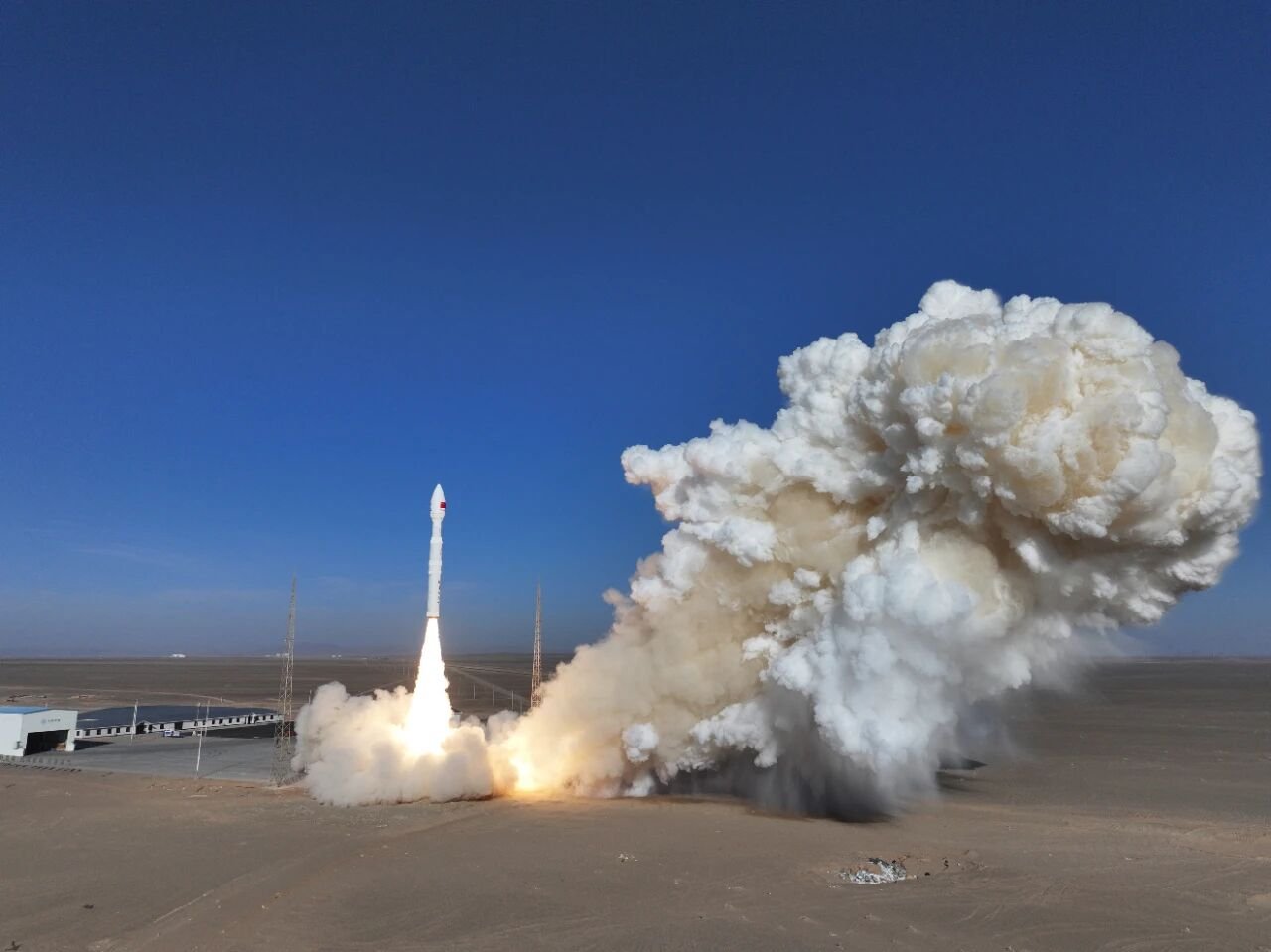
In terms of execution, Orbit AI successfully launched Genesis-1 in December 2025. The satellite is currently operational in low Earth orbit and has validated on-orbit edge AI inference using NVIDIA Jetson Orin hardware. This is an important milestone because it moves Orbit AI beyond pure concept and narrative into real-world orbital validation and early-stage productization.
Built on this foundation, Orbit AI is developing four core product lines. The first is Eye of God Agent, which transforms orbital video and earth-observation data into structured, actionable intelligence for forecasting, monitoring, decision support, and future autonomous execution. The second is Orbital Compute Cloud, a sovereign space-based compute layer for AI agents and resilient high-value workloads. The third is SkyNodes, an orbital validation and light-node infrastructure layer designed to improve physical decentralization and resilience for blockchain networks. The fourth is Space Billboard, a space-native media product that connects orbital infrastructure with branding, creator engagement, and Web3-native community campaigns.
Overall, Orbit AI is not a single-point application. It is building a long-term infrastructure network at the intersection of space infrastructure, AI agents, orbital intelligence, and Web3 resilience. Our vision is to provide a true orbital AI cloud where future autonomous systems are no longer fully dependent on terrestrial cloud platforms.
Tiến độ hackathon
During this hackathon, our goal was not simply to complete a submission, but to use the hackathon as an opportunity to transform Orbit AI’s broader infrastructure vision into a clearer, more understandable, and more demo-ready MVP narrative. Because Orbit AI sits at the intersection of space infrastructure, AI, Web3, and orbital intelligence, one of the most important challenges is turning a technically ambitious and long-horizon system into a product story that judges, ecosystem partners, and potential collaborators can quickly understand.
To achieve this, we focused on several areas during the hackathon. First, we refined the project positioning, core value proposition, and product structure so that Orbit AI’s main narrative became more coherent: building a sovereign compute layer for AI agents and resilient high-value workloads through orbital infrastructure, in-orbit AI inference, and physically differentiated compute capabilities. Second, we improved the demo logic and external presentation of the project, with special emphasis on product directions such as Eye of God Agent and Orbital Compute Cloud, which are especially suitable for hackathon showcase contexts. This helped us present Orbit AI not just as a broad vision, but as a product-oriented system with a concrete use case and a more intuitive user-facing story.
On the delivery side, we prepared a complete set of submission-related materials, including project descriptions, project page content, MVP showcase materials, demo video structure, external-facing project summaries, and partner communication copy. These efforts made Orbit AI easier to present as something more than a long-term infrastructure thesis. Instead, it became a more tangible and demonstrable project that can be understood, evaluated, and discussed in a practical way.
At the same time, this hackathon helped us sharpen Orbit AI’s ecosystem entry point. Rather than presenting Orbit AI only as a broad “space + AI + Web3” narrative, we became more focused on connecting three concrete elements: validated orbital infrastructure, AI-native product directions, and resilient blockchain-adjacent use cases. This sharper positioning improved our ability to communicate the project, made the demo flow more intuitive, and created a stronger foundation for future ecosystem conversations, strategic partnerships, integrations, and community visibility.
Overall, the hackathon has been valuable for Orbit AI not only because it resulted in a formal submission, but because it helped us package a complex, long-term infrastructure project into a clearer, more complete, and more communicable MVP narrative. That is an important step toward the next phase of product refinement, ecosystem engagement, and long-term execution.
Trạng thái huy động vốn
Orbit AI has completed early-stage fundraising and has secured the resources needed to continue advancing orbital infrastructure deployment, product development, ecosystem growth, and commercialization. At this stage, the project is not focused on fundraising for short-term survival, but on using its existing resource base to continue building satellite network capabilities, validating in-orbit AI infrastructure, refining product directions, and expanding commercial as well as ecosystem partnerships.
From a development perspective, Orbit AI is now at a critical stage between infrastructure validation and broader productization and commercialization. On one hand, Genesis-1 has already been launched and has validated on-orbit AI inference, demonstrating real execution capacity beyond concept. On the other hand, the project is continuing to build product and market pathways across orbital intelligence, sovereign compute, blockchain resilience, and space-native media. As a result, capital is being directed primarily toward long-term infrastructure development, research and engineering, delivery capability, commercialization, and strategic ecosystem expansion.
In addition to fundraising support, Orbit AI is actively developing commercial relationships, industry collaboration, and ecosystem partnerships. The project’s current position is supported not only by capital, but also by strategic alignment across space infrastructure, AI, Web3, and research-driven collaboration networks. This makes Orbit AI fundamentally different from short-cycle narrative projects, as its progress is grounded in infrastructure execution, long-horizon product development, and multi-stakeholder coordination.
Overall, Orbit AI is in a relatively stable and execution-focused phase. The project will continue advancing its next stage of growth through orbital infrastructure expansion, product iteration, partnership development, and long-term ecosystem building, while remaining open to strategic collaboration opportunities where strong alignment exists.