
THE UNDERVALUED ARTIST
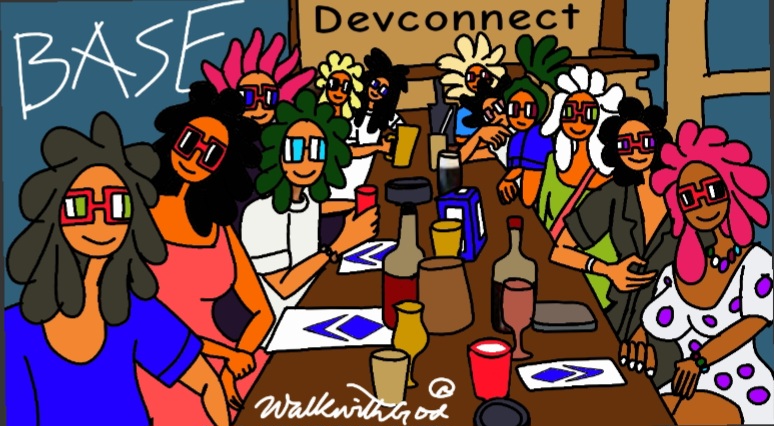
The Undervalued Architect: Why Art, Design, and Monetary Recognition Must Drive Tech Innovation
The culture of innovation, epitomized by the hackathon, often champions pure engineering and function. We celebrate the backend logic, the database structure, and the technical complexity of the code. However, the most successful and impactful projects—the ones that actually survive beyond the weekend—share a critical, often undervalued element: Art and Design.
1. The Critical Case for Art in Hackathons
To "hack" is to solve a problem, and the solution isn't complete unless it’s usable. This is where digital artistry transforms raw functionality into a compelling product.
Art, encompassing UI/UX design, visual branding, and information architecture, is the crucial layer that connects the user to the code. A beautiful, intuitive, and consistent design provides immediate value:
Elevates Usability: Design ensures complex features are accessible and easy to learn. A well-designed interface prevents user friction, turning a prototype into a viable product.
Differentiation: In a presentation, great design makes a project instantly memorable. It communicates polish and market readiness, giving teams a competitive edge against purely functional, but visually crude, competitors.
User Empathy: Design thinking is rooted in empathy. By integrating art, teams are forced to consider the human experience, resulting in solutions that are not just technically sound, but genuinely meaningful.
Artistry is not a distraction; it is the ultimate utility layer in modern tech development.
2. Why Digital Artistry Deserves Professional Employment
My skills in digital arts—be it visual storytelling, prototyping in Figma, motion graphics, or crafting responsive interfaces—are not merely hobbies; they are sophisticated technical proficiencies that solve business problems.
Specifically, my experience creating high-impact animation and visual content, often using tools like Flipaclip, demonstrates key professional strengths:
Resourcefulness and Efficiency: Mastering a tool like Flipaclip showcases the ability to achieve complex visual results quickly and efficiently, often under restrictive time constraints—a necessary skill in fast-paced development environments like hackathons or startups.
Visual Storytelling: Animation is the fastest way to communicate a concept or showcase a user journey. This ability to deliver clear, engaging narratives is invaluable for marketing, onboarding, and pitch presentations.
Hiring based on a portfolio of digital art is hiring a specialist who can ensure the product not only works but is also adopted, loved, and used correctly. This is value creation at its highest level.
3. Recognizing Technical Effort with Monetary Rewards
If the intense, specialized effort of a developer is rewarded with competitive salaries and prizes, the equally intense, specialized effort of a digital artist must be treated the same.
Monetary compensation is not a bonus for creative work; it is recognition for the technical expertise and time invested. For a student or freelancer, rewards like job offers and hackathon prizes provide the necessary resources to invest in better tools, specialized training, and career growth. By ensuring the design team is valued and rewarded monetarily—both in contest prizes and professional salaries—we signal that the complete product (Form + Function) is what truly matters.
Conclusion: The future of technology belongs to those who successfully bridge the gap between engineering rigor and human-centered design. By fully integrating and rewarding digital artists within the tech sphere, we stop building cool features and start building lasting, successful products.