
HyperKit is a comprehensive infrastructure toolkit designed to simplify development and enhance interoperability within the Hyperion ecosystem.
HyperKit represents a shift in how Web3 applications are developed. By combining AI-assisted code generation, automated security, and multi-network orchestration into a cohesive platform, HyperKit makes sophisticated smart contract development accessible to more developers while improving security and reducing development cycles for experienced teams.
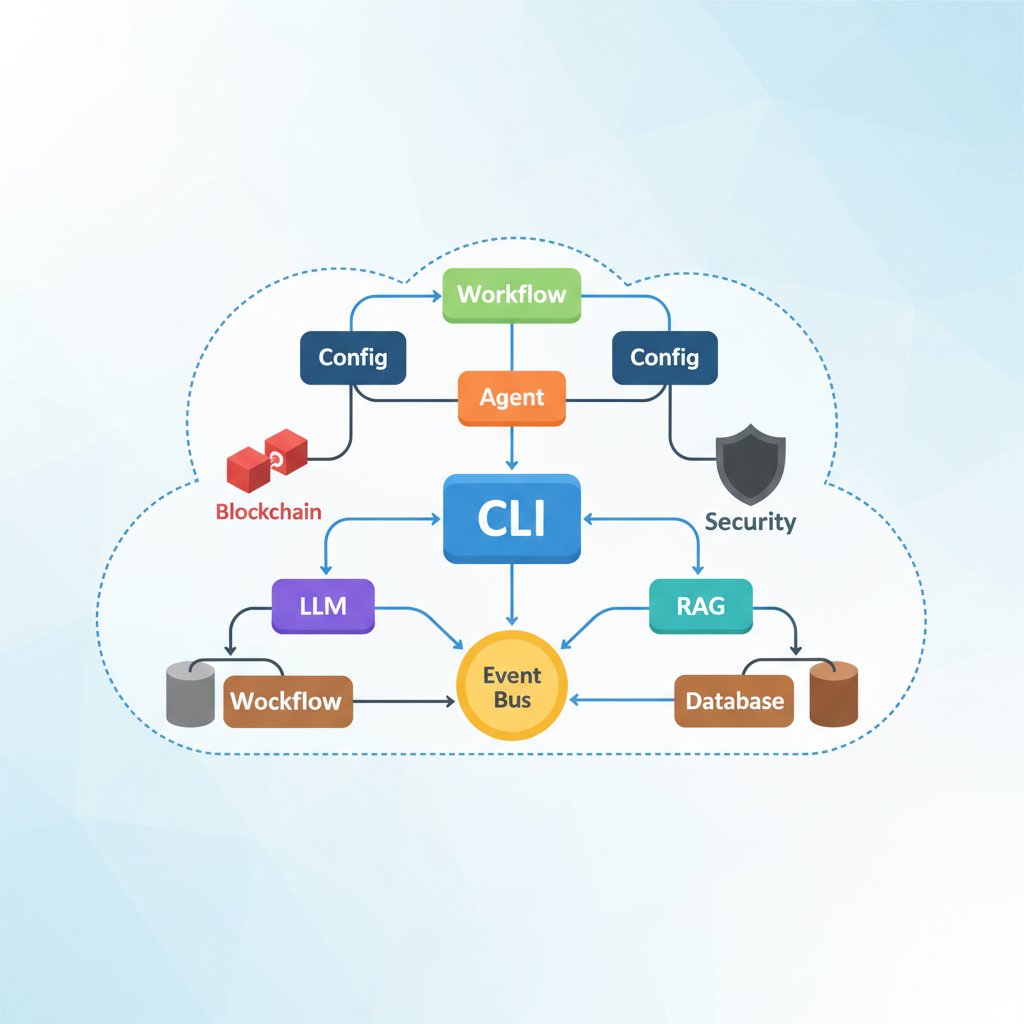
HyperKit is an open-source developer platform that streamlines full-stack decentralized application development across multiple EVM blockchain networks. Designed with developer productivity in mind, HyperKit combines AI-powered smart contract generation, integrated security auditing, and modular infrastructure primitives to accelerate the path from concept to production-grade applications.
The platform currently supports Hyperion Metis, and Mantle L2 networks chosen for their distinct technical capabilities and complementary strengths in the multi-chain landscape. Rather than treating all networks identically, HyperKit is architected to leverage the unique infrastructure and optimizations each network provides, enabling developers to deploy efficiently regardless of their chosen deployment target.
Built by developers for developers, HyperKit is open-source (MIT-licensed), actively maintained, and focused on reducing friction in the Web3 development lifecycle.
Smart Contract Generation (AI-Powered)
HyperKit's core capability transforms natural language specifications into production-ready Solidity contracts. Using integrated LLMs (Gemini, OpenAI, Anthropic), developers describe contract requirements in plain English, and the system generates secure, tested code ready for deployment. This reduces development time from days to minutes while maintaining security best practices.
Templates support the full DeFi primitive spectrum: ERC-20 tokens, yield vaults, DEX contracts, cross-chain bridges, oracle integrations, and more each optimized for modern architectural patterns and composability requirements.
End-to-End Security & Auditing
Automated security analysis is built into every generated contract. HyperKit performs real-time vulnerability detection using multiple analysis techniques: static code analysis, pattern matching against known exploits, and dynamic transaction simulation. Developers receive detailed audit reports before deployment, eliminating the need for costly external security reviews in early-stage development.
The auditing engine runs continuously, allowing developers to iterate with confidence and catch issues before they reach production.
Web3 Infrastructure Toolkit
Beyond contract generation, HyperKit provides production-ready infrastructure components:
CLI Tools: Developer-friendly command-line utilities for scaffolding, testing, and deployment workflows
React Component Library: Pre-built, accessible UI components available via npm for rapid frontend development
Dashboard Interface: Comprehensive monitoring and management interface for deployed applications, gas optimization analytics, and deployment history
This modular approach means teams can adopt individual components or use the complete integrated suite based on their specific needs.
HyperAgent: AI-Powered Lifecycle Management
HyperAgent serves as an autonomous AI partner for smart contract management. Beyond code generation, it handles:
Batch contract auditing and security analysis
Automated test suite generation and execution
Intelligent deployment orchestration across networks
Cross-network transaction coordination via bridge integrations
Proactive monitoring and alerting for deployed contracts
Developers define high-level requirements; HyperAgent handles the operational complexity.
Multi-Network Architecture
HyperKit recognizes that different networks serve different purposes. Rather than forcing one-size-fits-all deployment, the platform provides:
Seamless Multi-Chain Deployment: Deploy the same contract architecture to different networks with network-specific optimizations automatically applied
Interoperability Layer: Native support for bridge protocols and cross-chain communication, allowing applications to span multiple networks
Network-Specific Optimization: Contracts are optimized for each network's gas model, finality characteristics, and infrastructure capabilities
Single Development Workflow: Write once, deploy everywhere without sacrificing network-specific efficiency
Open Source & Developer Community
HyperKit is built for extensibility. The MIT-licensed codebase is fully auditable, and developers can fork, customize, and integrate with their preferred tools and infrastructure. The modular architecture supports community contributions and ecosystem integration.
Modular Component Design
HyperKit is not a monolithic platform. Each capability code generation, auditing, deployment, monitoring is designed as an independent module that can be used individually or combined into complete workflows.
This modularity serves multiple purposes:
Flexibility: Teams adopt only the components relevant to their workflow
Maintainability: Individual components can be updated and improved independently
Integration: External tools can integrate with specific modules without adopting the entire platform
Experimentation: Developers can combine components in novel ways for specialized use cases
Smart Contract Generation Pipeline
Specification Input: Natural language, template selection, or hybrid approach
AI Analysis: LLM processes requirements and generates contract architecture
Security Synthesis: Automated injection of security patterns and best practices
Optimization: Network-specific gas optimizations are applied
Output: Deployment-ready contract with accompanying tests and documentation
Security Analysis Framework
Multiple analysis layers work in parallel:
Pattern Analysis: Detects known vulnerability patterns and antipatterns
Semantic Analysis: Identifies logical inconsistencies and state management issues
Simulation: Executes contracts against test scenarios to detect runtime failures
Compliance Checks: Validates adherence to regulatory and ecosystem-specific requirements
Reports are generated in multiple formats from executive summaries for stakeholders to detailed technical findings for security teams.
Deployment Coordination
The deployment engine handles:
Pre-deployment Verification: Confirms contract is compatible with target network
Gas Estimation: Predicts transaction costs and suggests optimization opportunities
Network Selection: Recommends optimal network based on requirements (cost, finality, throughput)
Execution: Manages deployment with automatic retry and rollback capabilities
Verification: Confirms on-chain bytecode matches intended contract
Infrastructure as Code for Web3
HyperKit positions Web3 development as infrastructure engineering. Rather than manual, error-prone processes, developers describe intent declaratively and the platform handles implementation details similar to how Infrastructure-as-Code frameworks revolutionized cloud development.
This approach scales from individual developers building weekend projects to teams managing enterprise-grade applications.
Solving Real Developer Pain Points
Current state of Web3 development:
Smart contract development requires specialized expertise, steep learning curve
Security audits cost $4,000–$25,000 and take 2–4 weeks
Multi-chain deployment requires managing incompatibilities between networks
DevOps complexity rivals traditional infrastructure
Onboarding new developers to codebases takes months
HyperKit directly addresses each:
Challenge | Traditional Approach | HyperKit Solution |
Contract expertise | Manual study, years of experience | Natural language, AI-guided generation |
Security audits | External firms, 2-4 weeks | Automated analysis, minutes |
Multi-chain | Manual versioning per network | Automatic optimization per network |
DevOps | Manual scripting, custom tools | Automated orchestration and monitoring |
Onboarding | Documentation, mentoring | Interactive tutorials, AI-assisted learning |
Market Positioning
HyperKit targets three primary user segments:
Experienced Developers: Looking to accelerate iteration and reduce security review cycles
Web3 Teams: Building production applications who need reliable infrastructure
Web3 Newcomers: Looking to learn smart contract development with guardrails
The platform serves use cases across the spectrum: rapid prototyping, production-grade applications, and educational exploration.
Modular, Not Monolithic
Unlike frameworks that force a specific architecture or workflow, HyperKit's modular design means you adopt the pieces relevant to your needs. Use the CLI for deployment, the React components for frontend, or run the full integrated suite.
AI-Native Development
Rather than bolting AI on top of existing tools, HyperKit is architected from the ground up around AI-assisted development. Every workflow includes intelligent assistance, from initial specification through post-deployment monitoring.
Security as a Default
Auditing and testing are built into the core platform, not added as an afterthought. Every contract generated receives automatic security analysis before deployment.
Developer Experience First
From intuitive command-line interfaces to comprehensive documentation and interactive tutorials, HyperKit is designed to minimize friction and maximize productivity.
Network Agnostic, Network Aware
Rather than forcing all networks into identical workflows, HyperKit recognizes each network's strengths. Deploy to the network that makes sense for your application without sacrificing efficiency.
Production Heritage
HyperKit is built on battle-tested components. Core smart contract templates are based on established patterns from production DeFi protocols. Testing frameworks come from established tools. Infrastructure components are proven in real-world deployments.
Current Phase (Production Development)
AI-powered smart contract generation: Ready for production use
Automated security auditing: Beta, production targets Q1 2026
Multi-network deployment: Operational across supported networks
CLI/npm tooling: Production-grade, actively maintained
Near Term (Q1 2026)
Advanced HyperAgent capabilities (automated remediation, predictive security analysis)
Enterprise-grade infrastructure and SLA support
Expanded language support for smart contract specification
Extended security audit capabilities
Strategic Vision
HyperKit aims to become the standard infrastructure layer for multi-chain Web3 development. The focus remains on solving real developer problems with tools that are reliable, intuitive, and grounded in production experience.
HyperKit is built on the principle that Web3 infrastructure should be transparent and owned by the community.
MIT License: Full flexibility for use, modification, and distribution
Transparent Development: All code is visible, all decisions documented, all contributions tracked
Extensible Architecture: Components are designed for community enhancement and integration
Community Governance: As the platform matures, governance transitions toward community stewardship
Repo | Language | Purpose | Status | Role in Stack |
|---|---|---|---|---|
Hyperkit | TypeScript | Core infrastructure toolkit | Main | Foundation (contains all SMCs, CLI, SDKs) |
fe | TypeScript | Frontend dashboard | UI Layer | User-facing interface for all features |
smc | TypeScript | Smart contracts (Solidity) | Contracts | DeFi primitives deployed on-chain |
npm | TypeScript | npm package published | Package | Reusable components (@hyperionkit/core) |
ai | TypeScript | AI Scaffolding Full stack End-to-end | AI Engine | LLM integration & prompt management |
HyperAgent | Python | AI agent for smart contract lifecycle | Agent | Autonomous contract generation, auditing, deployment |
Recent Activity (Nov 2025):
275 commits to smc repo
425 commits to fe repo
12 commits to HyperAgent
Total: 712 commits
Interpretation: Focused intensive development on smart contracts (core functionality) while advancing AI agent capabilities.
Built With Production-Grade Technology:
Frontend: Next.js 15, React 19, TypeScript for type safety and developer experience
Blockchain Interaction: Wagmi, Viem for robust contract interaction
Smart Contracts: Solidity, tested with industry-standard frameworks
Analysis: Multiple static and dynamic analysis engines for comprehensive security
Infrastructure: Cloud-native architecture for scalability and reliability
Integration Points:
Multiple LLM providers (Gemini, OpenAI, Anthropic) for flexibility and redundancy
Native support for bridge protocols and interoperability standards
Extensible plugin architecture for custom integrations
Standard npm packages for easy integration into existing projects
AI Agent with comprehensive smart contract generation, auditing, and deployment capabilities.
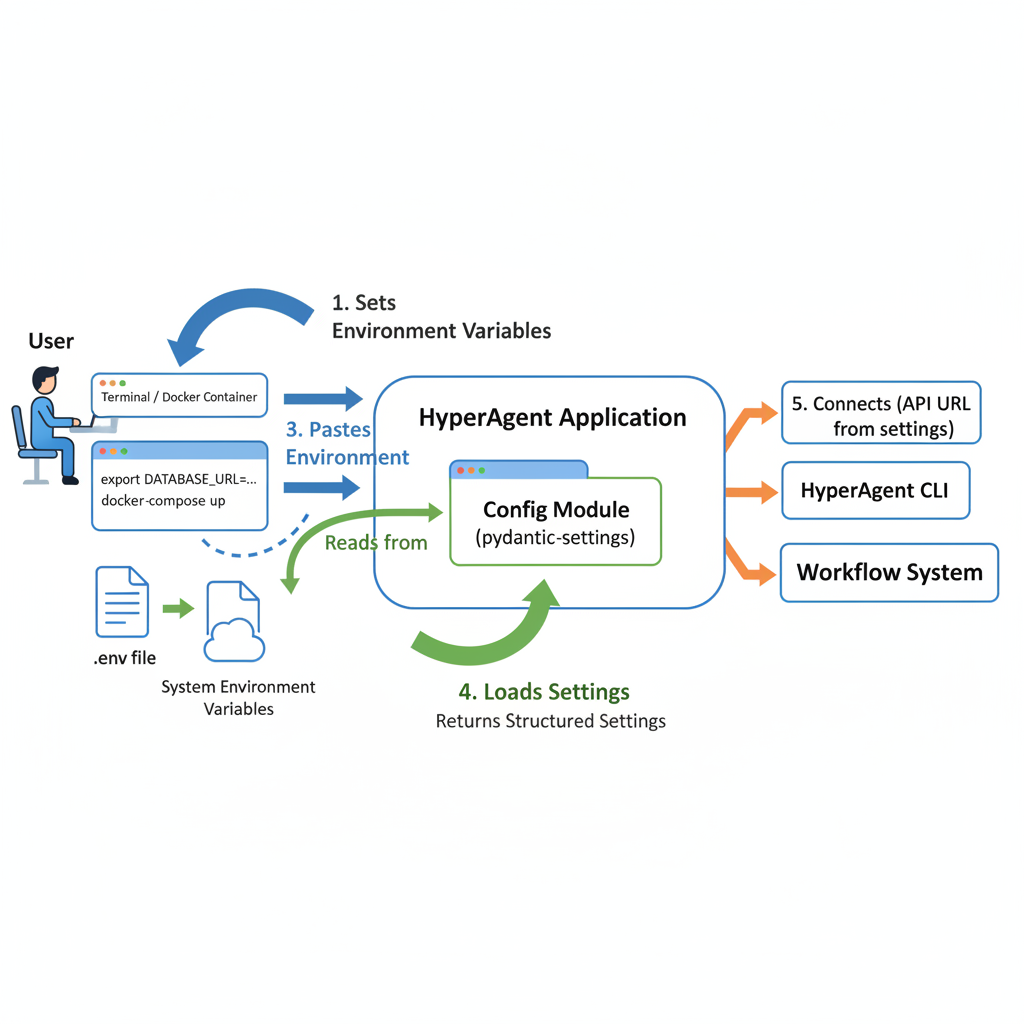
How-HyperAgent-Manages-Settings
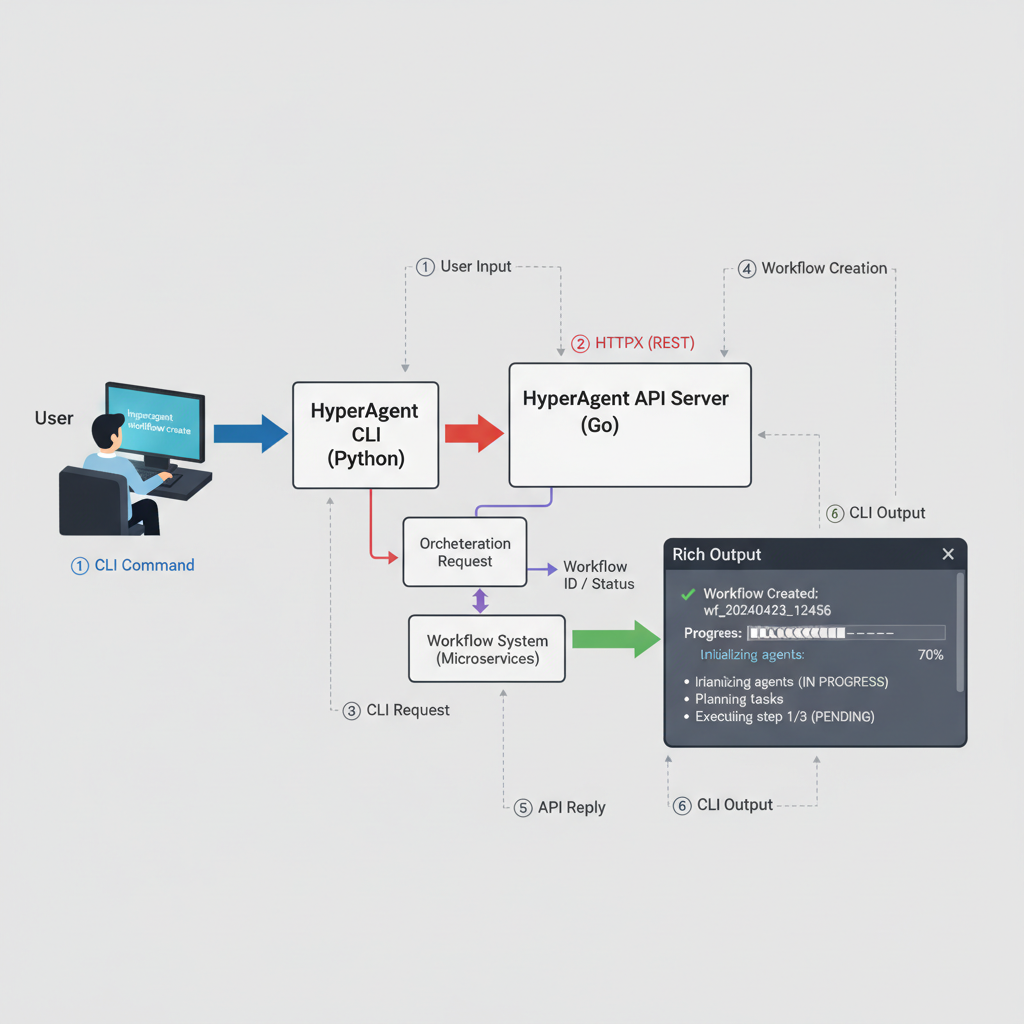
How-the-CLI-Talks-to-HyperAgent

https://github.com/HyperionKit/HypertAgent (Test on your Local)
Note: All Demos & Videos displayed are Demo/Prototype purposes only, We are in progress Updating UI/UX Of Website and once Complete we update this immediately.
We're Planning:
Ready build Components
Smart Wallets & Social Authentication
x402 (Multi Chain) Ready build

We just launched waitlist for the AI studio that builds secure multi-chain DeFi apps.
Total Joined 42. Confirmed 22. 1K+ spots available (limited).
3 steps to get in:
- Connect wallet
- Confirm email
- Move up the queue
First 500 get founding builder NFT.
→ https://waitlist.hyperionkit.xyz

It’s live on EVM and we’re adding Solana/Sui support x402 v2. Would love to see if we can plug this into your project as a small POC so your x402 flows get standardized preflight + status semantics.
https://x.com/HyperkitLabs/status/2001585865403822101?s=20
Invite to Developers and Hackathon Teams
Whether you’re prototyping your next DeFi protocol, building cross-chain apps, or just want to ship smarter and faster, HyperKit gives you the tools for secure, scalable blockchain innovation. Try generating your next contract, audit a protocol, or deploy your dApp from Hyperion Metis, or Mantle with just a few commands.
Building beautiful onchain applications. Ship in minutes, not weeks.
Last Revision Updates: December 18, 2025 : 6:15PM ~ JustineDevs